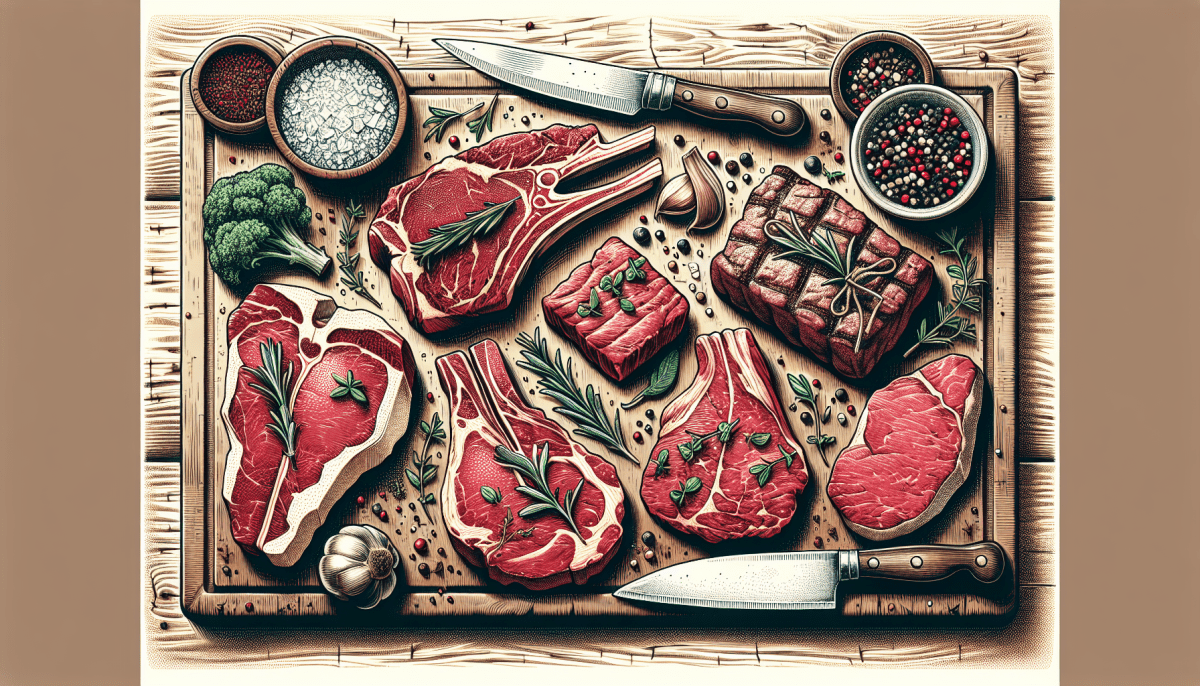
Steak cuts can be a bit confusing, especially with all the names and options out there. But don’t worry, I’ve got you covered! Let’s break down some of the most popular cuts you’ll come across, so you know exactly what to look for next time you’re at the butcher or grocery store.
Starting with the classic Ribeye, this cut is known for its rich marbling and robust flavor. It comes from the rib section, making it tender and juicy. If you want a steak that melts in your mouth, a ribeye is the way to go. It’s perfect for grilling and will impress anyone at your barbecue!
Next up is the Tenderloin, which is the most tender cut of beef. It’s also known as filet mignon when cut into thick steaks. This cut comes from the loin area and has a mild flavor, making it a favorite for those who enjoy a softer steak. Just a little seasoning brings out its best, and it’s fantastic when paired with a nice sauce.
Then we have the Sirloin, which balances tenderness and flavor well. It’s a bit leaner compared to ribeye but still packs a punch. Sirloin is versatile—great for grilling, stir-frying, or even in stews. It’s a solid choice if you want something delicious without going overboard on fat.
Last but not least is the Flank Steak, which is a lean, flavorful cut that originates from the belly. It’s great for marinating and works well in tacos or fajitas. Just keep in mind that flank steak can be a bit tougher, so slicing it against the grain is key to enjoying every bite!
Understanding Juiciness and Flavor
When it comes to steak, juiciness and flavor are the stars of the show. Let’s break it down. Juiciness comes from the fat content of the meat. Cuts with a higher fat marbling, like ribeye, tend to be more succulent. When you cook the steak, that fat melts and creates a mouthwatering experience that has you coming back for more.
Flavor is a whole other ball game. It's not just about fat; it’s also about the cut of the meat and how it’s prepared. Different cuts have different muscle structures and age, which affects taste. For instance, a tender filet mignon is mild and buttery, while a flank steak has a more robust flavor that shines when marinated. Knowing how to season and cook each cut can really bring out their unique flavors.
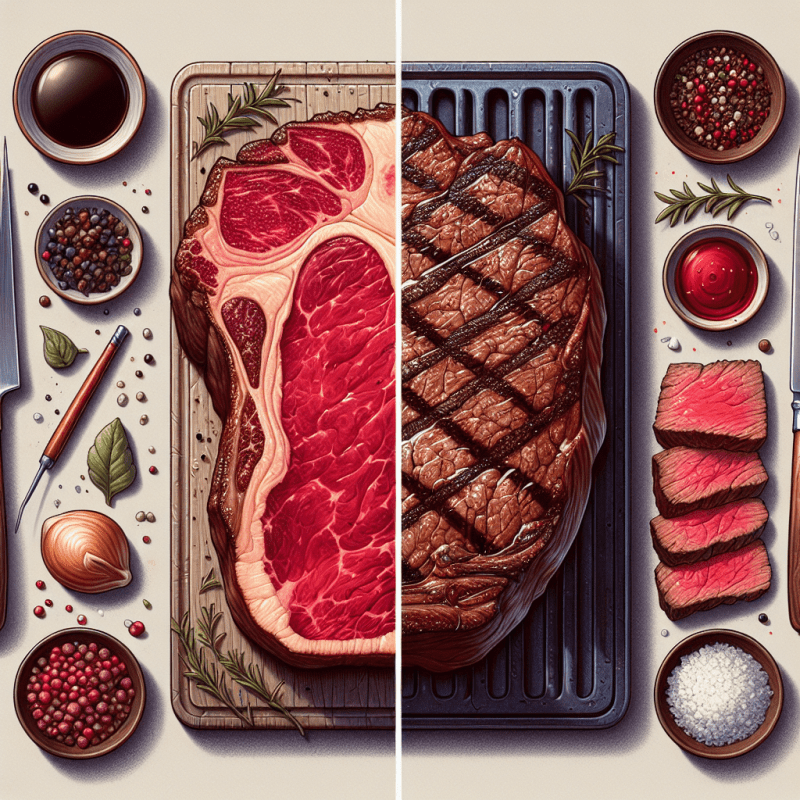
Cooking method also plays a huge role in how juicy and flavorful your steak turns out. Grilling gives that nice char and smoky flavor that everyone loves. Meanwhile, slow cooking can help tougher cuts, like brisket, become tender and packed with flavor. Experimenting with different methods can lead to some delicious surprises.
In the end, it’s about finding the right balance. Whether you prefer a juicy ribeye or a flavorful sirloin, knowing what contributes to their tastiness makes all the difference. Get to know the cuts and how to cook them, and you’ll create some unforgettable meals.
Grilling Tips for Perfect Steak
Grilling the perfect steak can feel like a big deal, but it doesn’t have to be stressful. With a few simple tips, you can impress your friends and family every time. Start with a good cut of beef. Ribeye, filet mignon, and sirloin are all great choices. Make sure to pick a steak with some marbling; that’s the fat that keeps it juicy while cooking.
Next up, seasoning! Don’t overthink it—salt and pepper usually do the trick. Sprinkle generously on both sides about 30 minutes before you throw it on the grill. This helps enhance the flavors and ensures even seasoning. If you want to jazz it up, a dash of garlic powder or your favorite steak rub can add some fun zest.
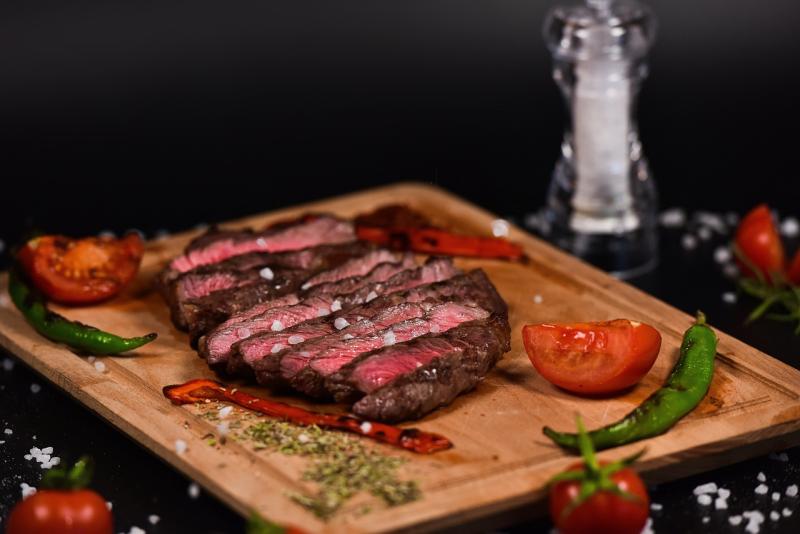
Now, let’s talk about the grill temperature. Preheat your grill to high heat. You want that sear! Once it’s hot, place the steak on the grill and resist the urge to move it around. Let it cook for a few minutes on one side before flipping it. This will help create a nice crust. For a medium-rare steak, aim for an internal temperature of about 135°F. Use a meat thermometer for accuracy!
After grilling, don’t skip the resting phase. Let your steak sit for about 5 to 10 minutes before cutting into it. This lets the juices redistribute, meaning you’ll bite into a juicy, flavorful piece every time. Trust me, this part is key to that perfect steak experience!
Choosing the Best Cut for You
Choosing the right cut of beef can feel a bit overwhelming with all the options out there, but it doesn’t have to be! Start by thinking about what you like—flavor, tenderness, and how you plan to cook it. Are you grilling, pan-searing, or roasting? Each method works better with certain cuts, so keep that in mind.
If you’re after something tender and juicy for grilling, go for a ribeye. It has nice marbling, which means a burst of flavor with every bite. On the other hand, if you want something leaner, a sirloin steak could be your go-to. It's great for those who love a beefy taste without too much fat.
For those special occasions, don’t overlook the filet mignon. It’s luscious and buttery, perfect if you're looking to impress. And let’s not forget about the T-bone! It gives you the best of both worlds with a section of tenderloin and strip steak all in one cut.
Lastly, take some time to ask your butcher for tips. They know their beef and can direct you to the freshest and best cuts for your needs. Don’t be shy—getting to know your cuts can really enhance your cooking experience and make meal prep even more fun!